
Looking to boost your kerb appeal and the value of your property? One way is to choose a sleek, practical driveway that suits your home’s style and makes life easier day-to-day.
When looking into driveway options, style, maintenance, and overall cost are important considerations.
From concrete to gravel, there are many ways to revamp your driveway and our top five are detailed below.
1. Asphalt driveway
Asphalt (or tarmac) is by far the most popular driveway material in the UK. It’s durable and relatively inexpensive to install, and it’s also suitable for most climates, although it can get sticky in high temperatures.
Asphalt maintenance is also relatively simple and doesn’t require much effort. However, it’s important to note that without proper care, they are prone to cracking. To prevent this, it’s best practice to reseal your driveway every 2 to 3 years.
2. Concrete driveway
Concrete is another popular type of driveway known for its durability, low maintenance, and ability to withstand various weather conditions. It also stays cooler in the summer months than asphalt, so there’s no risk of stickiness or softening as temperatures rise.
The downside of a concrete driveway is that, similar to asphalt, it is susceptible to cracking and staining, and may require professional repair down the line.
3. Stamped concrete driveway
Stamped concrete is a great alternative to using more expensive brick, slate, stone or tiles whilst still achieving a similar effect. It involves pressing moulds or stamps into freshly poured concrete before it sets, making this type of driveway highly customisable.
It’s a cheaper option than using bricks or pavers, but more expensive than a standard concrete driveway. Stamped concrete also requires little maintenance effort; however, it can be difficult and expensive to repair if it cracks.
4. Gravel driveway
Gravel is the least expensive type of driveway in our top five and arguably our favourite. It’s often seen in rural areas where there is a lot of space to fill, and as it’s relatively straightforward to lay a gravel drive, it’s popular among enthusiastic DIY-ers.
If you’re thinking of revamping your home, laying a gravel drive can really improve its kerb appeal. However, one aspect to bear in mind is that they can become untidy if not maintained effectively. Loose stones can be knocked up by foot or vehicle traffic, which can ruin the appearance over time.
This can be resolved by using steel edging designed for a gravel driveway. Steel driveway edging prevents loose stones from spilling into neighbouring areas and is heavy-duty enough to handle the pressure of vehicles or garden machinery. The metal edging can also be installed with ease, making a gravel driveway even more appealing.
The only downside to having a gravel driveway is that the gravel will need to be replaced semi-regularly to keep it looking fresh.
5. Bricks, stones, and tiles
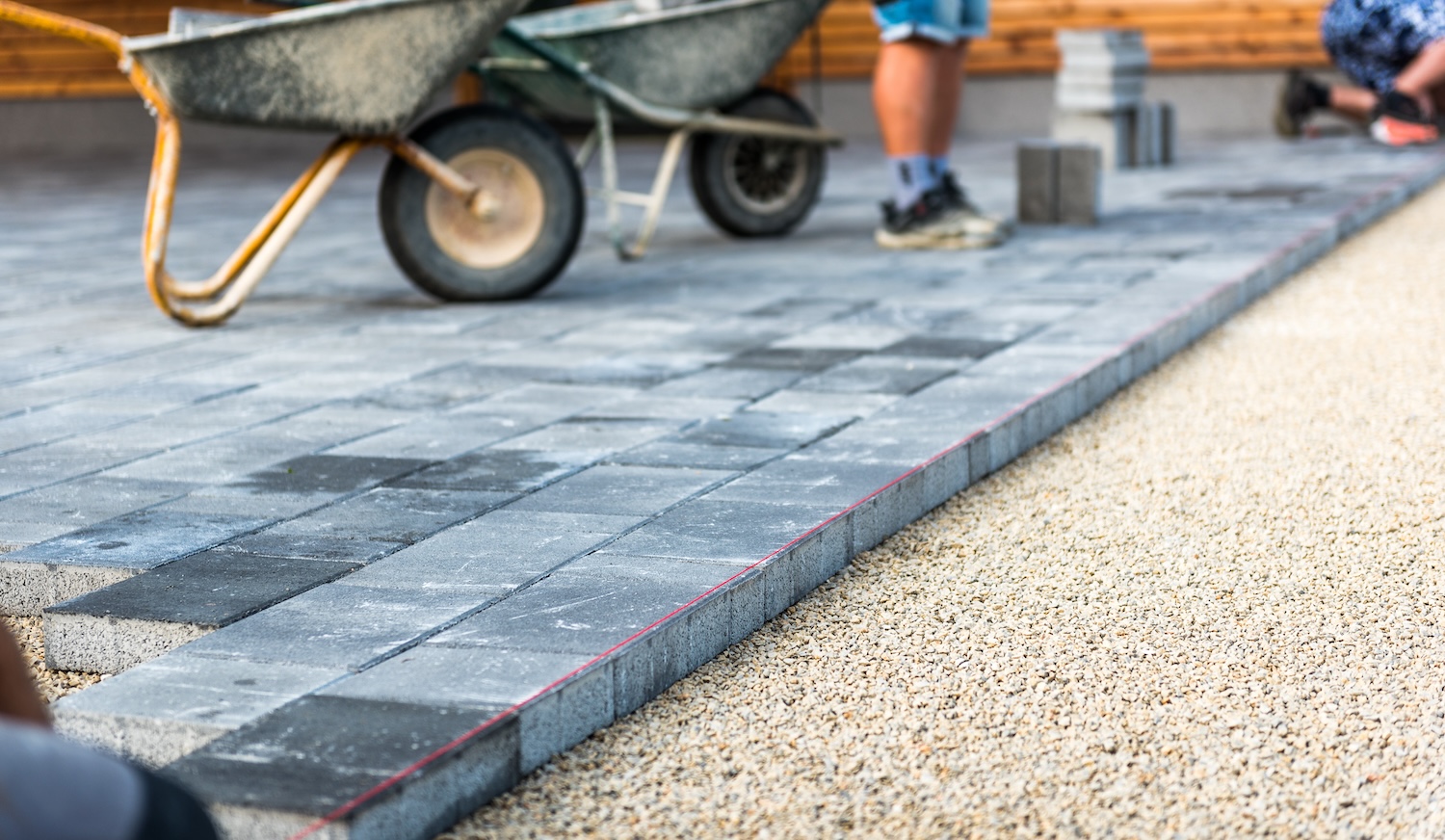
Bricks, stones, or tiles can all be used to create an attractive, long-lasting driveway. It’s also highly customisable to your property’s style, with many options to choose from, including Herringbone, which is particularly popular right now.
This type of driveway is one of the most expensive, but once it’s finished, you can expect your brick-laid driveway to last for a long time. Any damage that does occur can usually be fixed relatively cheaply by replacing one or two bricks.
The key takeaway
Durability, cost, aesthetic appeal, and maintenance are arguably the most important considerations when choosing a driveway type. Ensure that whatever you pick is a good fit for your home, budget, and style.
Also consider that your driveway not only adds kerb appeal to your property but can also increase its value, making this a worthwhile investment.
Recent Comments